The pet road-trip checklist (printable)
Lots of people drive instead of fly precisely so the dog or cat can come along. In a July 2026 survey, 73% of pet-owning drivers said they're more likely to road-trip than fly for that reason. This list is meant for the week before and the night before you leave. Save it, screenshot it or print it, then tick things off as they go into the car.
Sort the paperwork first. That means current vaccinations, rabies proof and a registered microchip, plus a travel tag with your cell number. In the car, keep your pet restrained and watered. Use a crate or harness in the back seat, bring bottled water, and take a break about every two hours. And never leave them in a parked car. It can warm 19°F in 10 minutes, and a cold car is risky too.
Jump to:
- How to use this list
- One week out
- The morning you leave
- On the road
- If you're traveling with a cat
- If something goes wrong
- Settling in at the motel
- Good first trips to test your list
Updated Oct 1, 2026
How to use this list
The same survey found that, after finding a place to sleep, the hardest parts are planning stops around a pet's needs and dealing with a restless pet in the car. This list covers both.
Each section below groups a few checks. When a tip comes from the AVMA, ASPCA, CDC or National Park Service, you'll find the source listed with the guide.
One week out
Start with a call to your vet. Have them confirm vaccinations are current (rabies above all) and print copies of the records. While you're on the phone, ask about flea, tick and heartworm prevention for wherever you're headed.
If you'll cross state lines, the CDC suggests checking each state's requirements before you go. According to the ASPCA, some states ask for proof of rabies vaccination at certain crossings, so ask your vet whether you need a health certificate (the formal name is a certificate of veterinary inspection). The AVMA adds that some states may also require tests such as a rabies titer.
Then log in to your microchip registry and make sure the phone number and address are still right. Do a few short practice drives with the crate or harness you'll use on the trip, making each one a bit longer than the last.
This is also the week to book your overnight stops. Pick places that welcome pets, jot down the address of an emergency vet near each one, and plan each driving day around your pet's breaks rather than the fastest route. Keep that plan on the same page as this list.
The morning you leave
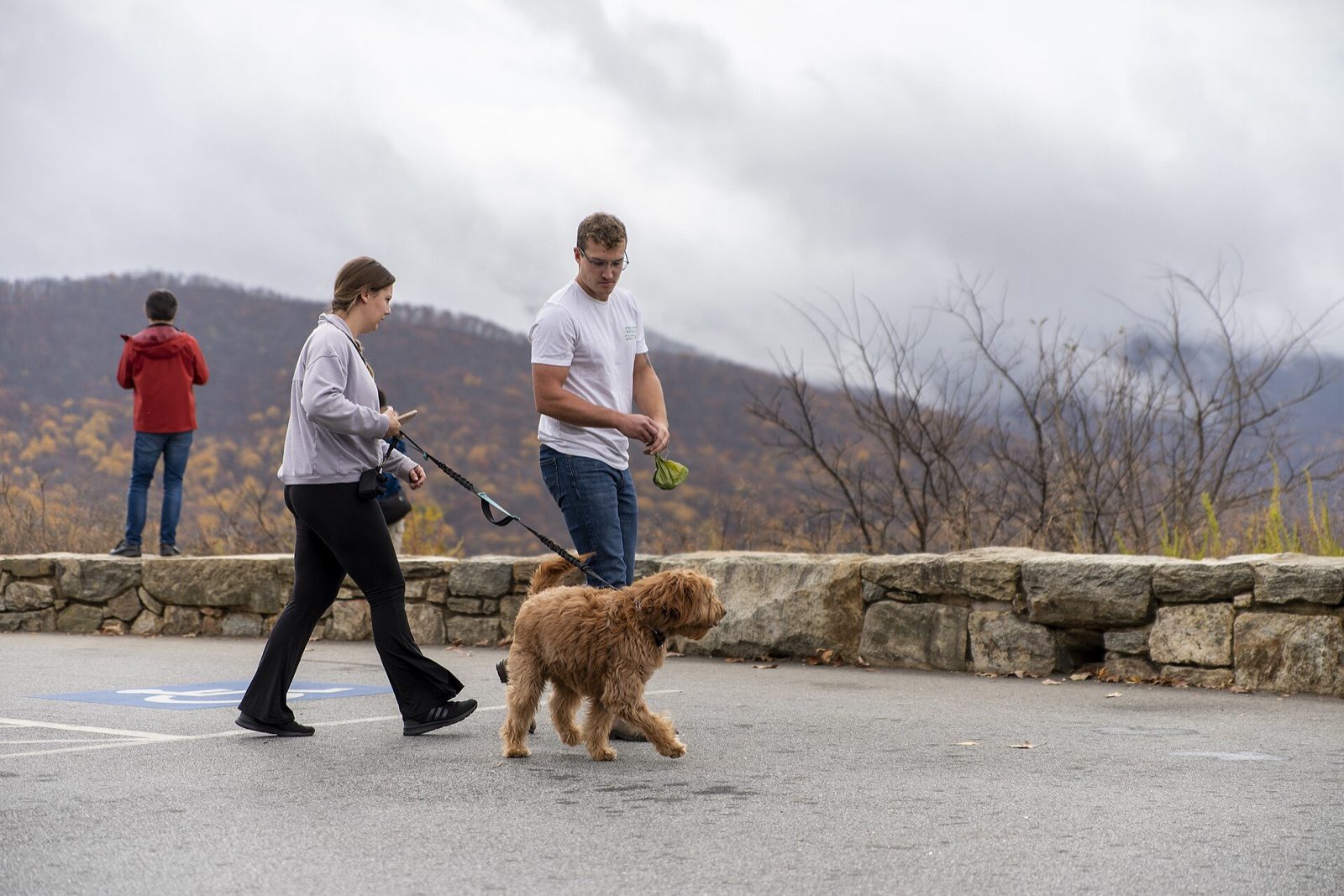
Feed a light meal three to four hours before you pull out, then take a good walk right before you load up. The crate or harness goes in first. After that, put the bag with food, water, bowl, leash, waste bags and meds somewhere you can reach it without unpacking the trunk.
Clip on the travel tag with your cell number and the number for wherever you're staying tonight, and snap a clear photo of your pet on your phone. If you get separated at a rest stop, a recent photo and a tag make it a lot easier for someone to help. One last thing before you drive: count leashes, bowls and meds again.
Keep a small day bag on the back seat, apart from the main luggage. Moab's visitor bureau has a solid list for it: a water bowl and bottled water, an extra leash and collar with ID tags, poop bags, an old towel, wipes, a basic first-aid kit, medications, a copy of health records, bedding, treats and a favorite toy. With that bag within reach, you won't be digging through the trunk at a rest stop.
On the road
Make the first day shorter than you think it should be. The AVMA suggests a stop about every two hours on long drives, and small portions of food and water instead of one big meal. Leash and collar go on before the car door opens. Every time.
Your pet rides in the back. If you're not using a crate, the ASPCA recommends a harness clipped to a secured seatbelt, and if you are, strap the crate down so it can't slide when you brake. No dogs in the front seat if the car has airbags.
Don't leave your pet alone in the parked car while you eat or shop. Use drive-throughs or patios, or take turns.
Watch the weather as closely as the map. In hot months, drive in the cooler morning hours, walk on grass instead of pavement, and offer water at every stop. In winter, keep a blanket in the car and remember that a parked car holds the cold. The AVMA says young, old, ill and thin pets are most at risk.
If you're traveling with a cat
Cats stay in a cage or carrier the whole way. According to the AVMA, that helps them feel secure, keeps them out from under the driver's feet and prevents an escape when you open a door. Put a familiar toy or blanket inside.
A few items are cat-only: a small litter box, litter and a scoop, plus a towel to drape over part of the carrier. In the motel room, keep the carrier closed until the door is shut and you've checked for gaps under the furniture.
Get your cat used to the car well before the big day. The ASPCA suggests a run of short drives that slowly get longer. Leave the carrier out at home for a week or two with the door open and drop treats near it, so by departure day it's just another familiar spot.
If something goes wrong
Before you go, save three numbers in your phone, as the AVMA suggests: your own vet, a national poison control hotline and a 24-hour emergency vet near where you're headed. ASPCA Animal Poison Control picks up around the clock, every day of the year, at (888) 426-4435, though a consultation fee may apply.
Look up a local vet for each overnight stop as you book it. Moab's visitor bureau, for one, lists the town's vet clinics and kennels on its pet page.
If your pet gets lost, the microchip and travel tag do most of the work. Call the local animal shelter and animal control right away, and share the photo you took that morning.
Settling in at the motel
Hotels often ask for proof of vaccines, so have the records folder handy at check-in. While you're at the desk, ask where the best spot is for a late walk.
Don't leave your pet alone in the room. Moab's visitor bureau notes that a barking dog left behind can be treated as a nuisance, so plan on a patio dinner or takeout instead.
Set up a corner that feels like home, with the bed or blanket, the water bowl and a favorite toy. Walk your dog last thing at night and first thing in the morning.
Good first trips to test your list
For a pet's first long trip, pick somewhere that actually welcomes pets. Shenandoah allows leashed dogs on most of its 500+ miles of trail. Petrified Forest allows them on every paved road and trail and in its wilderness, and it has a fenced Bark Park by the Painted Desert Visitor Center.
Moab works too, with some planning. The national parks keep dogs off the trails, but Dead Horse Point State Park allows leashed dogs on all of its trails. Our Moab with dogs guide has the details, and the stays below are pet-friendly Motel 6 locations near all three.
Keep that first trip short enough that you can turn back if it isn't working. Plenty of pet owners will go a long way for their pets (in the Talker Research survey, 45% said they'd drive more than four hours to bring theirs along). Still, one or two nights away will show you how your pet handles the car, the room and new places before you commit to a cross-country drive.