Great American road trips on a motel budget
Americans love a road trip, and the numbers back it up. In AAA's survey from early 2026, 45% said they planned one, more than any other type of vacation. Over the last year-end holidays, AAA expected 109.5 million of the 122.4 million people traveling to go by car.
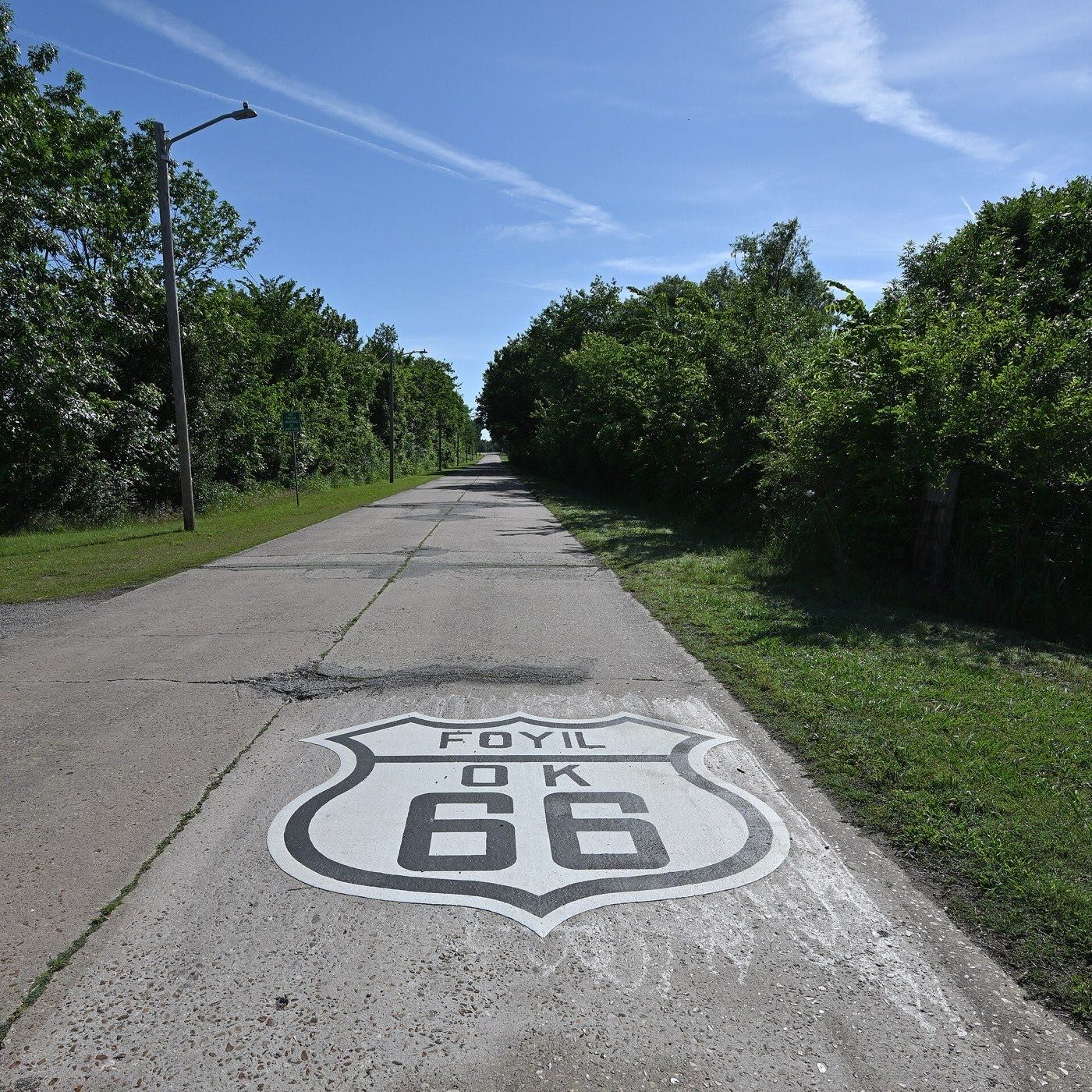
Road trips are the most popular plan going. In AAA's early-2026 survey, 45% of Americans said they planned one, more than any other kind of vacation. The trick is to plan around the nights, not the sights. How many nights you book drives most of your budget, so pick a route that fits the number you can afford. Five classics make an easy place to start. Pick from Route 66, the Big Sur coast, the snowbird run on I-75 or I-95, the Blue Ridge Parkway or the Great Smoky Mountains.
Jump to:
- Why budget by the night
- How to plan the overnight stops
- Three trip sizes that fit a budget
- Match the route to the season
- Free stops make the trip
- Driving and safety notes
- With kids, pets and mixed abilities
- Things people get wrong
Updated Oct 1, 2026
Why budget by the night
On the road, most of your money goes on fuel, food and beds. Fuel is mostly out of your hands, and a cooler takes care of a lot of the food. Beds are where planning actually pays off. Work out how many nights you have, pick a route that fits them, and book a clean, simple room at each stop.
So this guide is built around trip length and overnight stops, not scenery alone. Each route below comes with a natural place to sleep, and our detailed guides take it stop by stop.
How to plan the overnight stops
Start with how many hours you actually want to drive in a day, not how many miles the map shows. Mountain roads, city traffic and scenic pullouts all eat time.
Put each night in a real town with food and fuel nearby. Save the long days for the empty stretches and the short ones for places you want to explore. If there's an event weekend or a big festival on your dates, book ahead.
Try to check in before dark. The motel's easier to find, you get a proper dinner, and you start the next morning rested instead of paying off a late night.
Two nights in one place often beats two one-night stops. You unpack once, and you get a full day to explore without the car.
Three trip sizes that fit a budget
A long weekend is two nights on one stretch. Drive the Big Sur coast from Monterey to San Luis Obispo, do Route 66 across Illinois from Chicago to Springfield, or base yourself in Knoxville for a day in the Smokies.
A week gives you five or six nights. That's enough for Route 66 from Oklahoma to the Mojave, or a slow fall run on the Blue Ridge Parkway with detours around the closed sections.
The one-way move south is the snowbird drive: one to three nights on I-95 or I-75, then the rest of the winter in Florida.
Whichever size you pick, write the nights down first and fill in the days after. If the nights add up to more than your budget allows, shorten the route instead of cramming more driving into each day. A shorter trip taken slowly almost always beats a longer one taken in a rush.
Match the route to the season
Fall belongs to Route 66 this year, with centennial festivals through October and a birthday celebration in November. It's also color season on the Blue Ridge Parkway and in the Smokies.
Winter suits the Big Sur coast as long as you watch for storms, and it's when most snowbirds head to Florida. The Atlantic hurricane season runs through November 30, so starting the drive south in December keeps you clear of its tail end.
Summer works almost anywhere, though the Southwest gets hot and everywhere gets busier. Spring is a good shoulder season for the mountain drives once the winter weather clears.
Free stops make the trip
A lot of the best sights on these routes are free. Cadillac Ranch outside Amarillo is open around the clock with no admission, and the elephant seal viewing area near San Simeon costs nothing. On the drive south, Florida's Welcome Centers on I-95 and I-75 still hand out citrus juice.
Great Smoky Mountains National Park has no entrance fee, but you'll need a parking tag if you park for more than 15 minutes. And driving a scenic road like the Blue Ridge Parkway doesn't cost a thing.
Mix a few paid highlights with plenty of free ones and the trip stays affordable.
Small-town festivals are another good deal. Several Route 66 centennial events this fall are free to attend, and local visitor centers and state welcome centers give out maps and ideas at no charge. Ask at the front desk too, since the staff often know what's free nearby.
Driving and safety notes
Check the road the night before. Caltrans QuickMap covers Highway 1 through Big Sur, the Park Service updates Blue Ridge Parkway closures daily, and Georgia and Florida both run 511 traffic services for the drive south.
Take the empty stretches seriously. There's no gas inside Mojave National Preserve and cell coverage is spotty at best, which is why the Park Service tells drivers to bring a full tank, extra water and a paper map.
Keep an eye on the weather. Storms close Big Sur, hurricanes affect the Southeast through November, and winter can bring snow and ice to the mountain routes.
Take breaks before you need them. Stop every couple of hours to walk around, swap drivers if you can, and pull over if you get drowsy. A short nap somewhere safe, or an early check-in, beats pushing on.
Keep a basic kit in the car: water, snacks, a phone charger, a flashlight, a blanket and a paper map. On long empty stretches, fill up at half a tank instead of waiting for the light.
With kids, pets and mixed abilities
Kids do best with short driving days and something to look forward to at the end, like a roadside giant on Route 66, elephant seals on the California coast, or just a pool at the motel. Give them a paper map so they can track the route.
With a dog, plan a walk every few hours and check each park's rules before you go. Some state parks on the Big Sur coast don't allow dogs at all, while every one of Tennessee's state welcome centers has a pet area.
Scenic drives suit travelers with limited mobility well, since much of the view is from the car or a short walk from a pullout. Tennessee's welcome centers are all ADA compliant, and you can ask for an accessible room when you book.
Things people get wrong
The big one is planning by the map instead of the clock. A route that looks short can take all day on two-lane roads with stops, so plan in hours.
Next is booking nothing ahead. Festival weekends, holidays and small towns can fill up, so at the very least book your first and last nights.
People also skip the closure check. Several of these routes have had closures in the past year, and two minutes of checking the night before can save hours of backtracking.
Then there's day one. Excitement makes the first day the longest, and you pay for it the next morning, so keep it comfortable.
Last, the small costs. Parking tags in the Smokies, state park day-use fees and toll roads in Florida add up. Look each one up before you go so nothing catches you off guard.